

- Home
- »
- Heat Pumps & Air Conditioning
- »
- VRV & VRF Systems
VRV & VRF System Services in Hamilton
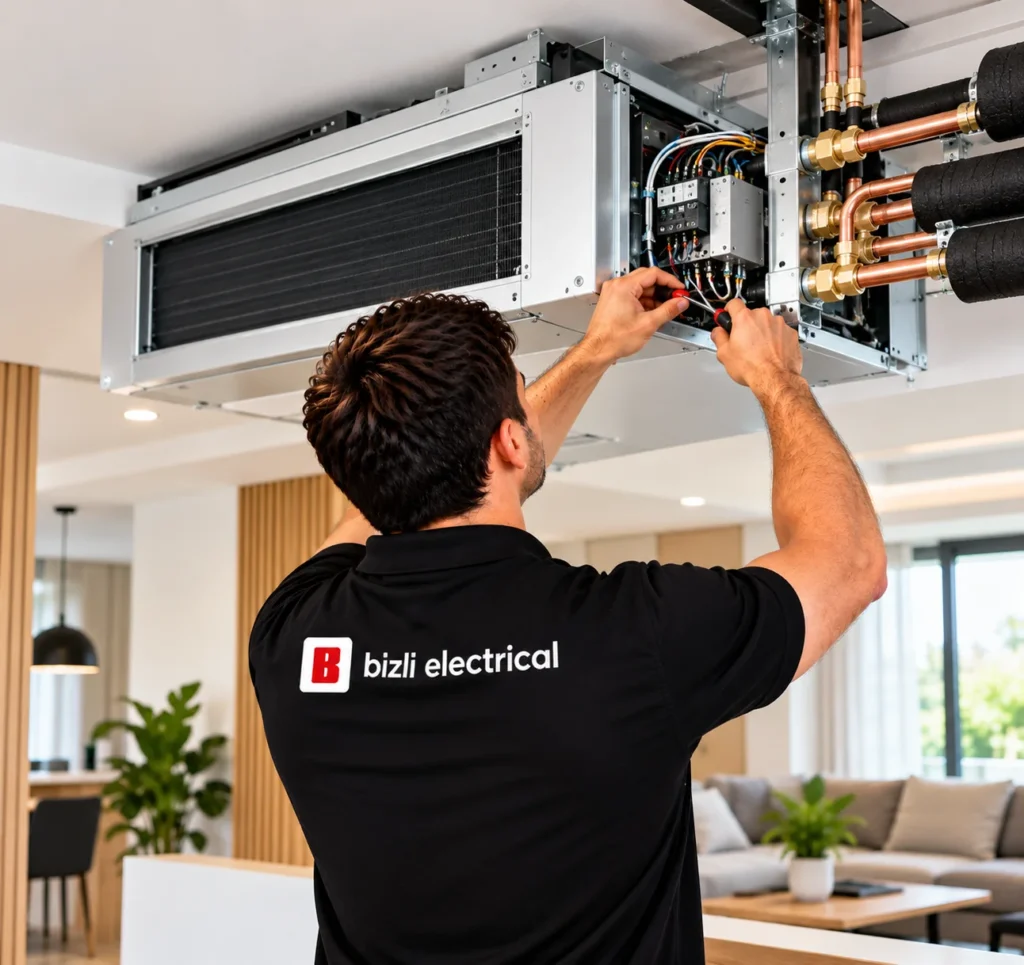
Keep complex heating and cooling systems operating reliably with professional VRV and VRF system services. From system planning and installation to servicing, maintenance and repairs, the work can be tailored to the property's layout, zoning requirements and existing HVAC setup.
What Are VRV & VRF Air Conditioning Systems?
VRV and VRF systems are multi-zone heating and cooling systems that can connect multiple indoor units to an outdoor unit. They allow different areas of a property to be conditioned through a connected system while providing individual or zone-based temperature control.
These systems are commonly used where multiple rooms or areas need to be heated or cooled while maintaining flexible control across different zones. The right system depends on the property's layout, heating and cooling requirements and number of zones.
Where Are VRV & VRF Systems Used?
VRV and VRF systems can be suitable for properties with multiple rooms or zones that require coordinated heating and cooling. The system configuration can be planned around the building layout and how different areas are used.
Offices
Provide heating and cooling across individual offices, meeting rooms and shared work areas.
Commercial Buildings
Suitable for buildings with multiple areas requiring different heating and cooling requirements.
Retail Properties
Can provide temperature control across retail spaces, offices, storage areas and other zones.
Hotels & Accommodation
Multiple indoor units can serve guest rooms and shared areas through a connected system.
Multi-Zone Buildings
Useful where different rooms or areas require individual temperature control.

Large Residential Properties
Can provide heating and cooling across multiple living areas within a larger home.

What Is Included in a VRV & VRF System Installation?
The work involved in a VRV or VRF installation depends on the property, system design and number of zones. Installation can include the main equipment, indoor units, pipework, electrical connections and controls.
System Design & Planning
Plan the system around the property layout, required zones and equipment locations.
Indoor Unit Installation
Install the selected indoor units in their planned locations.

Outdoor Unit Installation
Position and install the outdoor unit in a suitable location.
Refrigerant Pipework
Install and connect the required refrigerant pipework between system components.
Electrical Connections
Complete the required electrical connections for the system and associated equipment.

System Testing
Check the installed system, connections and operation before completing the installation.

What to Expect During a VRV & VRF System Installation?
A VRV or VRF installation involves coordinating the equipment, pipework, electrical connections and individual zones. The installation process is planned around the property's requirements and the selected system.
Assess the Property
Review the building layout, heating and cooling requirements, available installation areas and number of zones.
Plan the System
Determine equipment locations, indoor units, pipework routes, electrical requirements and system controls.
Install the System
Install the indoor and outdoor units, refrigerant pipework and required electrical connections.
Connect & Test the System
Complete the system connections and carry out checks to ensure the installed system is operating as intended.
What Needs to Be Considered Before Installing a VRV or VRF System?
A VRV or VRF system needs to be planned around the property rather than simply selecting equipment and installing it. The building layout, number of zones, indoor unit locations and system requirements all need to be considered.
Building Layout
Assess the property's size, layout and areas that require heating or cooling.
Heating & Cooling Requirements
Consider the requirements of different rooms and zones throughout the property.
Indoor Unit Locations
Determine suitable positions for indoor units based on room layout and airflow requirements.
Outdoor Unit Location
Identify a suitable location for the outdoor unit with appropriate access and space.
Refrigerant Pipework
Plan practical pipework routes between the indoor and outdoor units.
Electrical Requirements
Consider the electrical supply and connection requirements of the selected system.

How Can VRV & VRF Systems Be Maintained?
Regular servicing can help identify issues affecting system performance and provide an opportunity to check the condition of key components. The maintenance requirements depend on the system, equipment and how the property is used.
System Inspection
Review the overall condition and operation of the VRV or VRF system.
Indoor Unit Checks
Inspect indoor units and accessible components for issues affecting operation.

Outdoor Unit Checks
Check the outdoor unit and associated components.

Refrigerant System Checks
Assess relevant refrigerant system components and connections.
Filters & Airflow
Check filters and airflow where applicable to help maintain system performance.

System Performance
Check the system's operation and identify issues that may require further attention.

Is Your VRV or VRF System Not Working Properly?
Heating or cooling problems can have different causes across a multi-zone system. If a VRV or VRF system is not operating as expected, the system can be assessed to identify the area requiring attention.
System Faults
Investigate faults or operating issues affecting the overall system.
Poor Cooling or Heating
Assess areas that are not reaching the expected temperature.

Indoor Unit Problems
Investigate issues affecting individual indoor units or zones.
Control Issues
Check controls where temperature settings or system operation are not responding as expected.
Unusual Noises
Investigate unusual sounds coming from indoor or outdoor equipment.

System Error Messages
Review error messages or fault indicators to help identify the issue.
VRV & VRF Systems FAQs
Find answers to common questions about VRV and VRF systems, from installation and energy efficiency to maintenance and reliable heating and cooling for commercial properties across Hamilton.
A VRV system is a multi-zone heating and cooling system that connects multiple indoor units to an outdoor unit and allows different areas to be controlled through the same system.
A VRF system is a multi-zone heating and cooling system that uses variable refrigerant flow to adjust refrigerant delivery according to the requirements of different indoor units.
VRV and VRF describe similar types of multi-zone variable refrigerant systems. The term VRV is associated with a specific system technology, while VRF is the broader industry term.
They can be used in offices, commercial buildings, retail properties, accommodation, multi-zone buildings and larger residential properties.
Yes, depending on the system configuration, individual indoor units or zones can have separate temperature controls.
Need Help With Your VRV or VRF System?
Whether you are planning a new multi-zone system, need servicing for an existing installation or are experiencing heating and cooling problems, the system can be assessed to determine the appropriate next step.