

- Home
- »
- Electrical Services
- »
- Electrical Inspections & Maintenance
- »
- High-Risk Prescribed Electrical Work Inspection
High-Risk Prescribed Electrical Work Inspection in Hamilton
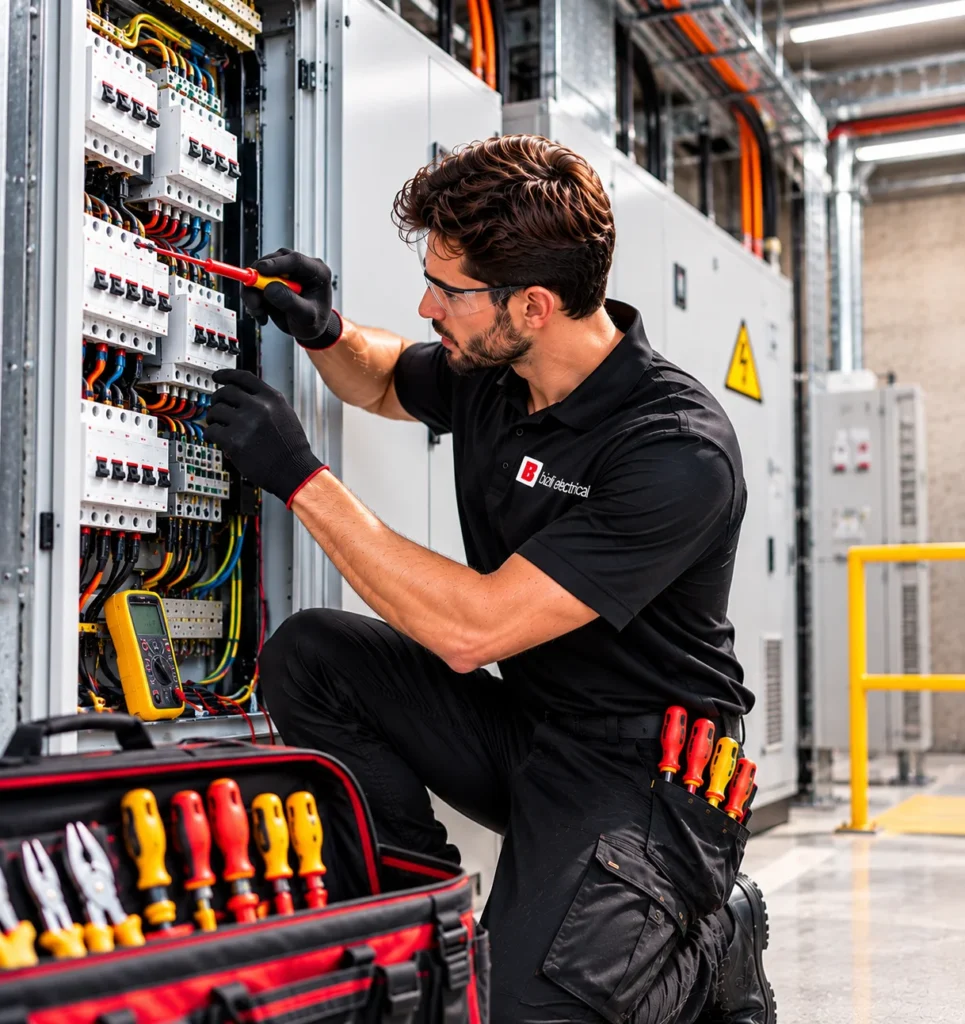
Inspection of high-risk prescribed electrical work to check the completed installation, electrical safety and required testing. The inspection helps verify that the work meets applicable New Zealand requirements before sign-off.
Does Your High-Risk Electrical Work Need Inspection?
Certain types of prescribed electrical work are classified as high-risk and require an independent inspection. If you have had high-risk electrical work completed, an inspection may be required before the installation can be connected, energised or signed off.
An independent inspection provides an additional check of the completed electrical work, helping identify any issues that may need to be addressed before the work can proceed to the next stage.
What Does a High-Risk Electrical Inspection Check?
An inspection is more than simply looking over the completed electrical work. It provides an independent assessment of the installation to check the relevant electrical work, safety requirements and testing. If something does not meet the applicable requirements, the issue can be identified before the inspection is completed.
The Inspection Helps Check
Completed Electrical Work
Electrical Connections & Installation
Safety & Protection Measures
Required Electrical Testing
Compliance With Applicable Requirements
Any Issues Requiring Rectification
Where Is High-Risk Electrical Work Inspection Required?
New Zealand's electrical safety requirements classify certain prescribed electrical work as high-risk and subject to independent inspection. These categories include mains work, photovoltaic systems and certain specialist electrical environments.
Mains Electrical Work
Work involving the installation or connection of mains, including certain main earthing and neutral connections.

Solar PV Systems
Electrical work associated with photovoltaic systems is classified as high-risk and requires inspection before energising.

Medical Installations
Certain prescribed electrical work associated with medical cardiac protected areas requires specialist consideration and inspection.

Mining Operations
Specified prescribed electrical work carried out in mining operations is included within the high-risk framework.

Other Specialist Work
Other prescribed work may also fall within the high-risk category depending on the installation and circumstances.

What Happens During a High-Risk Electrical Inspection?
The inspection focuses on the completed electrical work and the requirements that apply to the particular installation. The process helps establish whether the work is ready for the required inspection outcome or whether anything needs to be addressed first.
Review the Electrical Work
The completed high-risk prescribed electrical work is reviewed to understand what has been installed and what needs to be inspected.
Inspect the Installation
The relevant electrical components, connections and installation details are inspected against the applicable requirements.
Test & Verify
Required testing and verification are carried out to check the electrical installation and confirm its condition.
Explain the Outcome
The inspection findings are explained, including any issues that may need to be rectified or any further steps required.
Installation Inspection
The relevant electrical components, connections and installation details are inspected against the applicable requirements.
Testing & Verification
Required testing and verification are carried out to check the electrical installation and confirm its condition.
What Happens If an Issue Is Found During Inspection?
If an issue is identified during the inspection, the problem can be explained so you understand what needs attention. The required electrical work can then be addressed before the inspection process is completed.
Issue Identified
Any electrical issue or requirement that needs attention is identified during the inspection.

Findings Explained
The inspection findings are explained clearly, including what needs to be addressed.

Rectification Completed
Where required, the identified electrical issues can be rectified by the appropriate electrical worker.

Reinspection
Once the required work has been addressed, a further inspection may be required to verify the completed work.
Trusted Electrical Experts Built on Safety & Quality
We provide a complete range of electrical solutions designed to keep your property safe, powered, and future-ready.
Get in Touch
Contact our team and tell us about the electrical work you need. Provide details about your property, required service and any issues you are experiencing.
Discuss Your Requirements
We’ll discuss your electrical requirements and gather any additional information needed. Where necessary, we can arrange a site visit to assess the work.
Receive Your Quote
Once we understand the scope of work, we’ll provide a clear quote based on the required electrical services and explain what is included.
Approve & Schedule
Once you’re happy with the quote, approve the proposed work and arrange a suitable time for our electrician to attend your property.
Electrical Work
Our electrician will complete the agreed electrical work with a focus on safe practices, quality workmanship and your property’s requirements.
Completion & Support
After the work is completed, we’ll check that everything has been carried out properly and remain available for further electrical assistance.
How Does Inspection Help Check Electrical Safety?
High-risk prescribed electrical work can involve important parts of an electrical installation. An independent inspection helps check that the completed work, electrical protection and required testing have been properly addressed before the relevant next step.
Electrical Connections
Checks relevant electrical connections and installation work for issues that may affect safe operation.

Electrical Protection
Considers the protection provided for the electrical installation and relevant circuits.

Earthing & Safety
Checks relevant earthing and safety arrangements as part of the inspection.
Installation Condition
Assesses the completed electrical work for visible issues or installation concerns.
Testing & Verification
Reviews the required electrical testing and verification associated with the work.

Safe Operation
Helps establish whether the completed installation is suitable to proceed based on the inspection findings.
Frequently Asked Questions About High-Risk Electrical Work Inspection
Find answers to common questions about high-risk electrical work inspections, from inspection requirements and safety checks to ensuring electrical installations meet Hamilton regulations and safety standards.
High-risk prescribed electrical work is electrical work classified as high-risk under New Zealand electrical safety requirements and requires independent inspection.
Certain mains work, photovoltaic systems, hazardous-area work and other specified specialist electrical work may require independent inspection.
Inspection provides an independent check of the completed work and helps identify issues that may need to be addressed.
The inspection considers the completed electrical work, relevant connections, protection, testing and other requirements applicable to the installation.
The timing depends on the type of high-risk work and the applicable requirements. Some work must be inspected before it is connected or energised.
Need a High-Risk Electrical Work Inspection?
If high-risk prescribed electrical work has been completed and you need an independent inspection, arrange an inspection to check the work and understand what needs to happen next.